
Bay State Pest Control
Take Control and protect your home
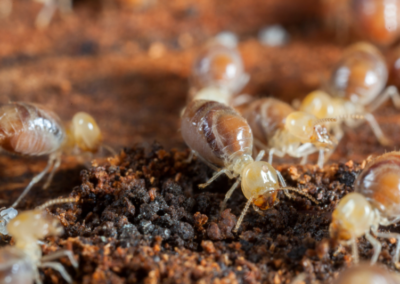
Termite Control
Termite activity is on the rise this season. Call today to schedule a full wood destroying insect inspection by a state licensed Bay State Pest Control technician.
Animal Control
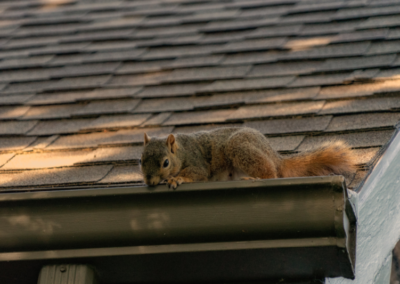
Nuisance wildlife on your property can be a serious issue. Many times these unwanted animals can carry dangerous diseases such as rabies and Lyme disease. They can also carry secondary pests such as ticks, mites, and fleas. Contact Bay State Pest Control today and we can assist you with safely removing problem animals from your property. Our technicians are state certified and carry a Massachusetts trapping license.
Commercial Control
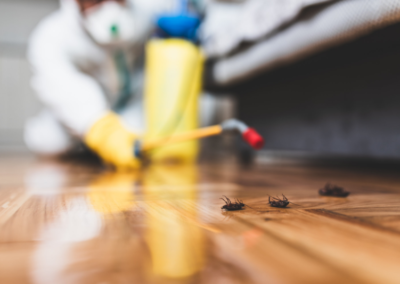
We at Bay State Pest Control specialize in commercial programs, working hand in hand with business owners, facility managers, maintenance companies, and condo associations. We offer weekly, bi-weekly, monthly, quarterly, and on-call as-needed programs to fit your pest control needs.
For 30 years, Bay State Pest has been a trusted name in protecting homes and businesses across our community. Since day one, the mission has remained the same: deliver reliable, effective pest control with honesty, professionalism, and a commitment to customer care. Over three decades, Bay State Pest has grown alongside the families and businesses it serves, adapting to new technologies and environmentally responsible solutions while never losing sight of its local roots. This 30-year milestone is a celebration of lasting relationships, hard-earned trust, and a dedication to keeping properties safe, comfortable, and pest-free—today and for many years to come.
Celebrating 30 Years of Trusted Service!
In honor of Bay State Pest Control’s 30th Anniversary, we’re offering 10% OFF our Residential Annual Pest Control Program for new customers.
Just use promo code #BSP30 when you contact us to receive your anniversary savings.
Thank you for trusting us to protect your home and business for three decades. Experience the service that has kept our community pest-free since day one.
Bay State Pest Control
is a family owned and operated corporation serving the North Shore of Massachusetts for over 20 years. We deliver a state of the art integrated pest management approach to help serve your pest problem from carpenter ants to termites, one call eliminates them all.
Our
Services
Current Season Summer 2026

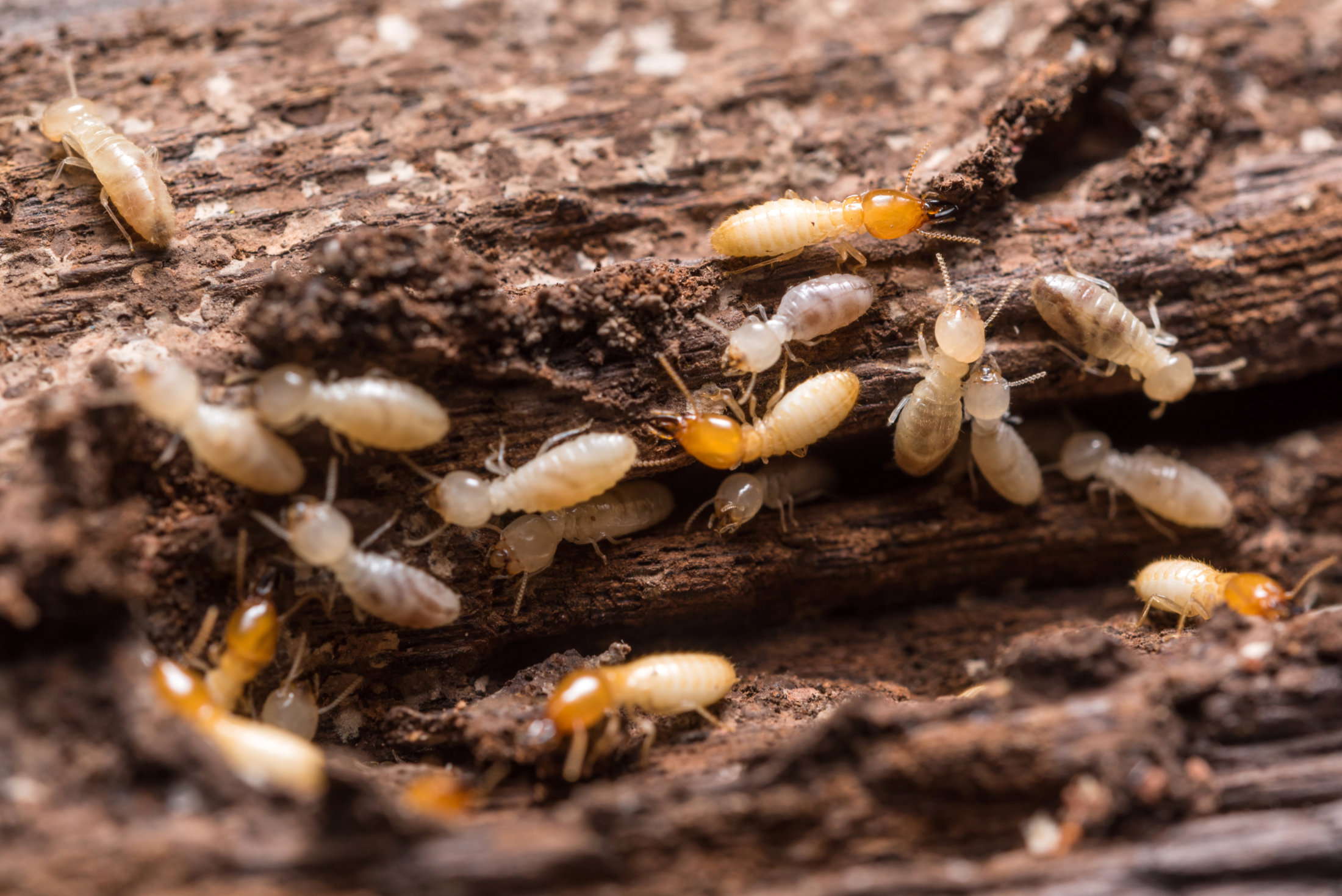
Termites Are Swarming
Do you see winged, ant-like insects flying around your property? Those are most likely termites at this time of the year. Termites are considered a serious problem as they can cause millions of dollars in structural damage each year in Massachusetts. Ants are making their way into structures both residential and commercial. Now is the time to stop the invasion and possible damage that can occur. Call today to schedule a full wood destroying insect inspection by a state licensed Bay State Pest control technician!

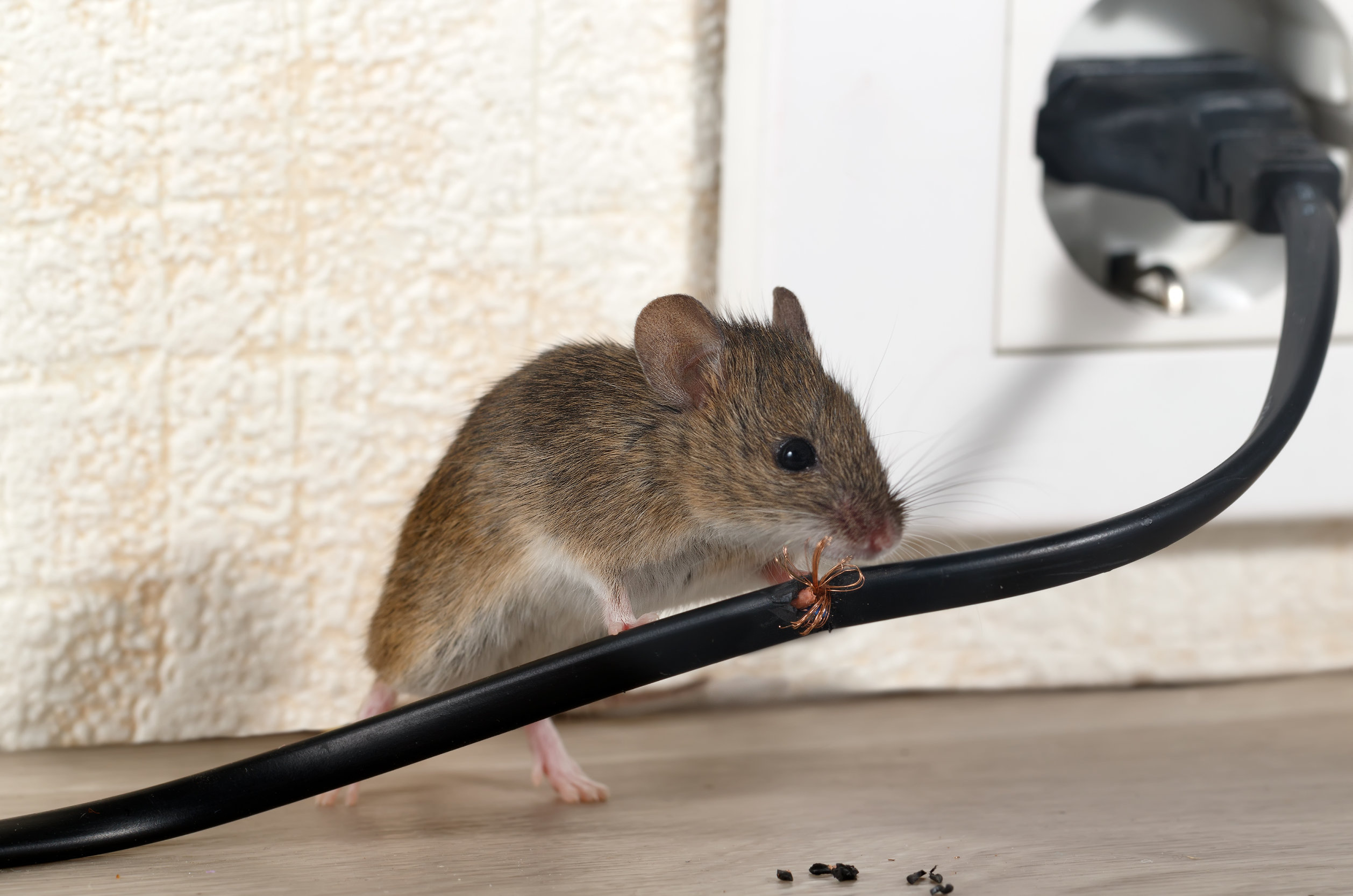
Rodents Are Invading
Rodents such as mice and rats are making their presence known throughout homes, businesses, and offices. Due to mild winters, the previous year’s rodents are at their peak. Problem animals such as squirrels, raccoons, skunks, and bats are starting to become restless as they are coming out of hibernation to breed at this time. Ants, both carpenter and pavement, are starting to awaken. When showing themselves at this time of the year colonies are already established. Call Bay State Pest Control today for your rodent, problem animal, and ant control needs.
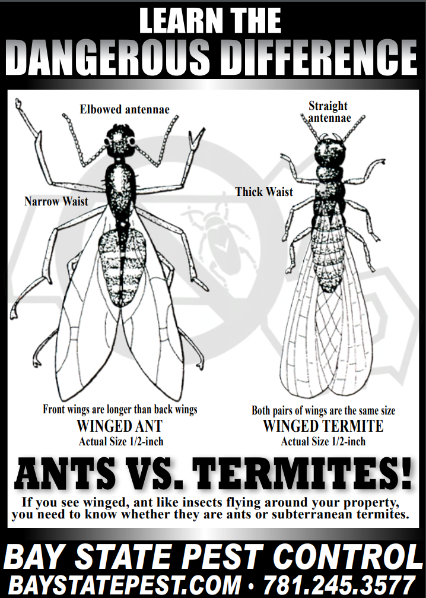
Termite and Ant Comparison
Our Solutions
We provide state of the art pest control applications and methods while keeping your health, property and the environment in mind.
Meet Our Technicians
The Bay State team of licensed technicians.
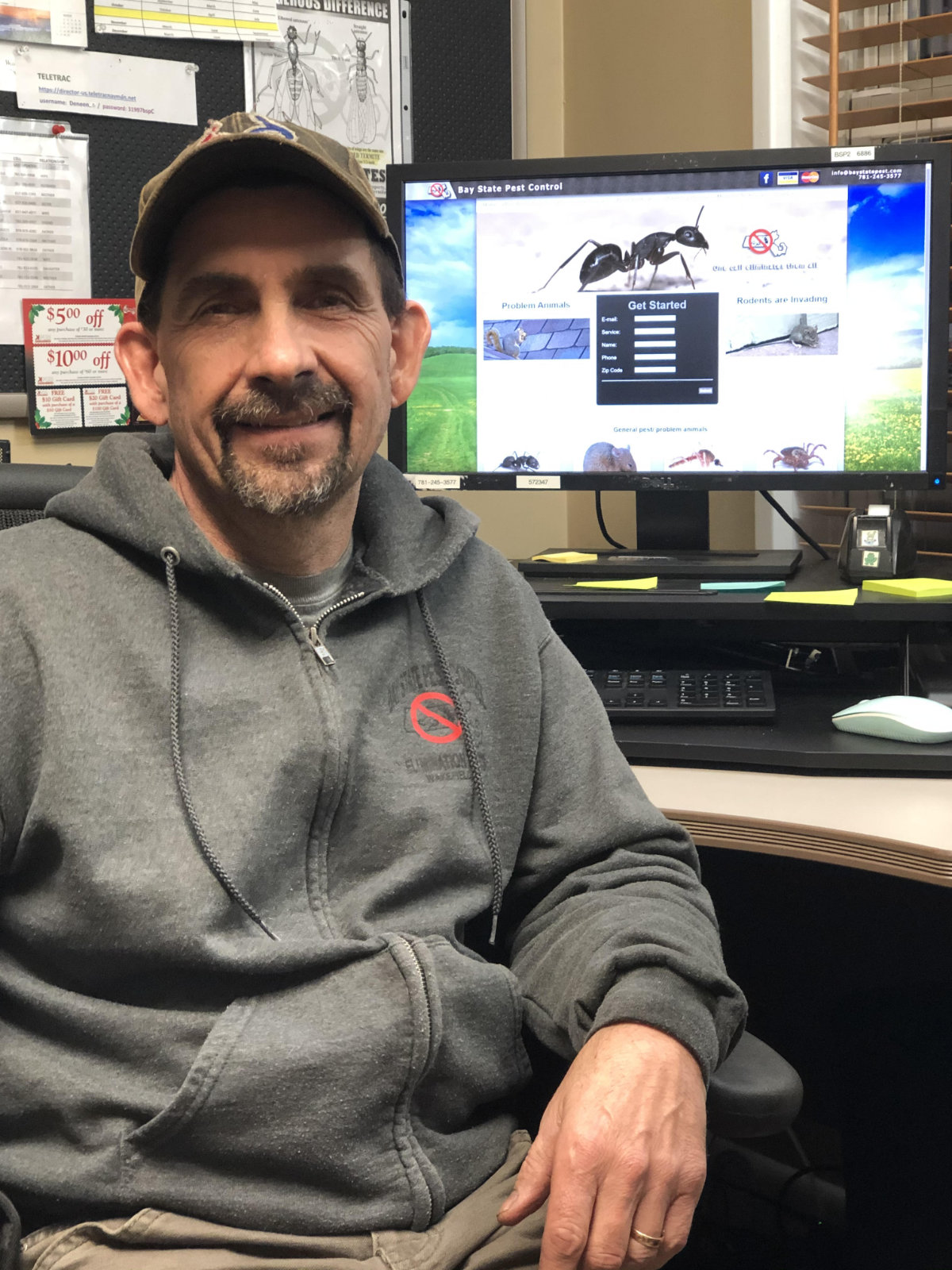
Dana DiPaolo
Owner
President of Bay State Pest Control, Inc. Dana over sees operations. Dana has been in the animal and pest control industry dating back to 1981. Today Bay State Pest Control is one of the most innovating pest control companies within the north shore area. Dana is certified in general pest control, termite control, and problem animal control.
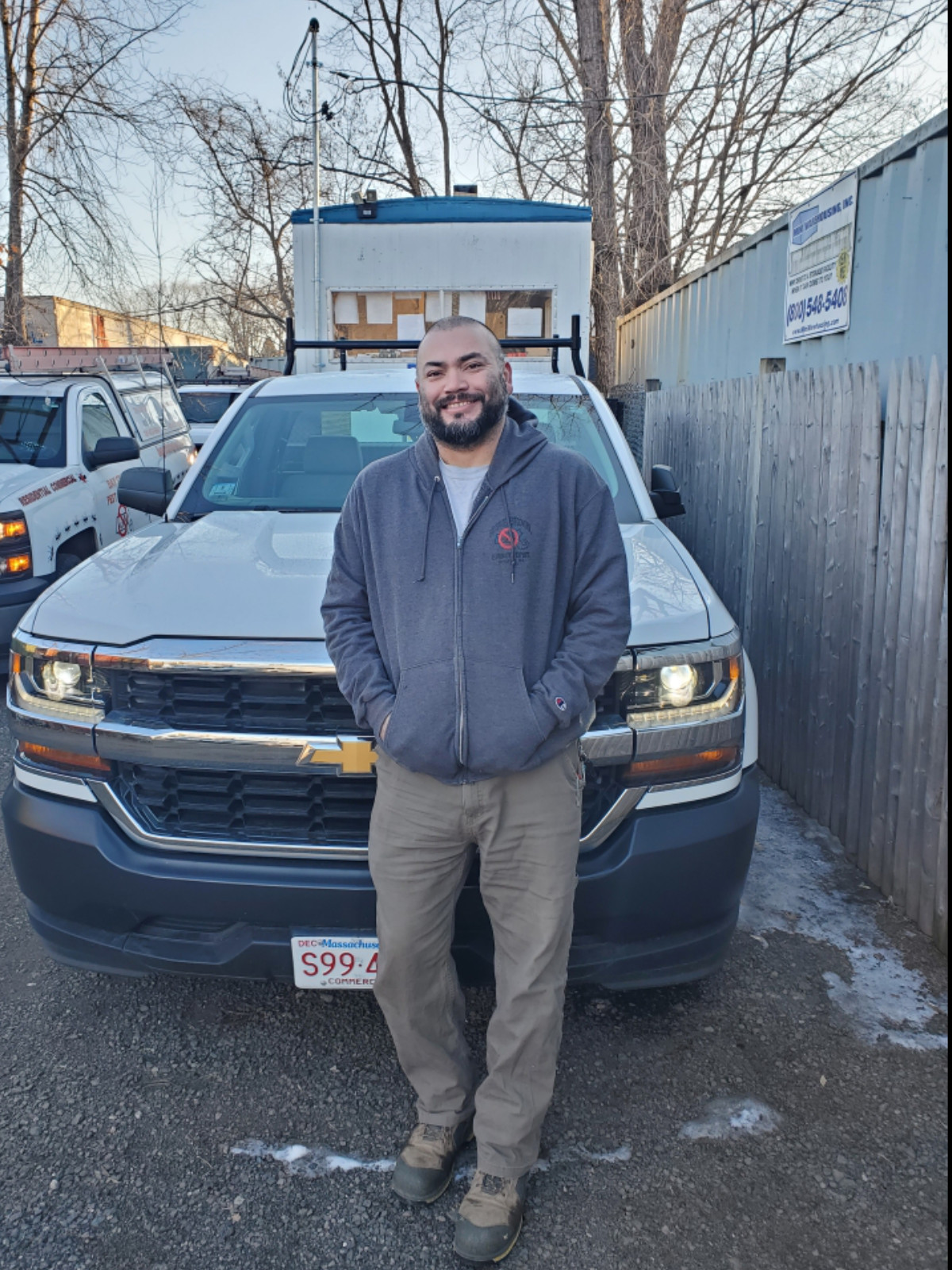
Jose Velez
Foreman
Jose is our company Forman. Jose specializes in residential, commercial, exclusion work, termite control along troubleshooting and quality control. Jose oversees day-to-day operations. Jose relishes spending time outdoors, camping and spending time with his wife, family, friends and dogs.
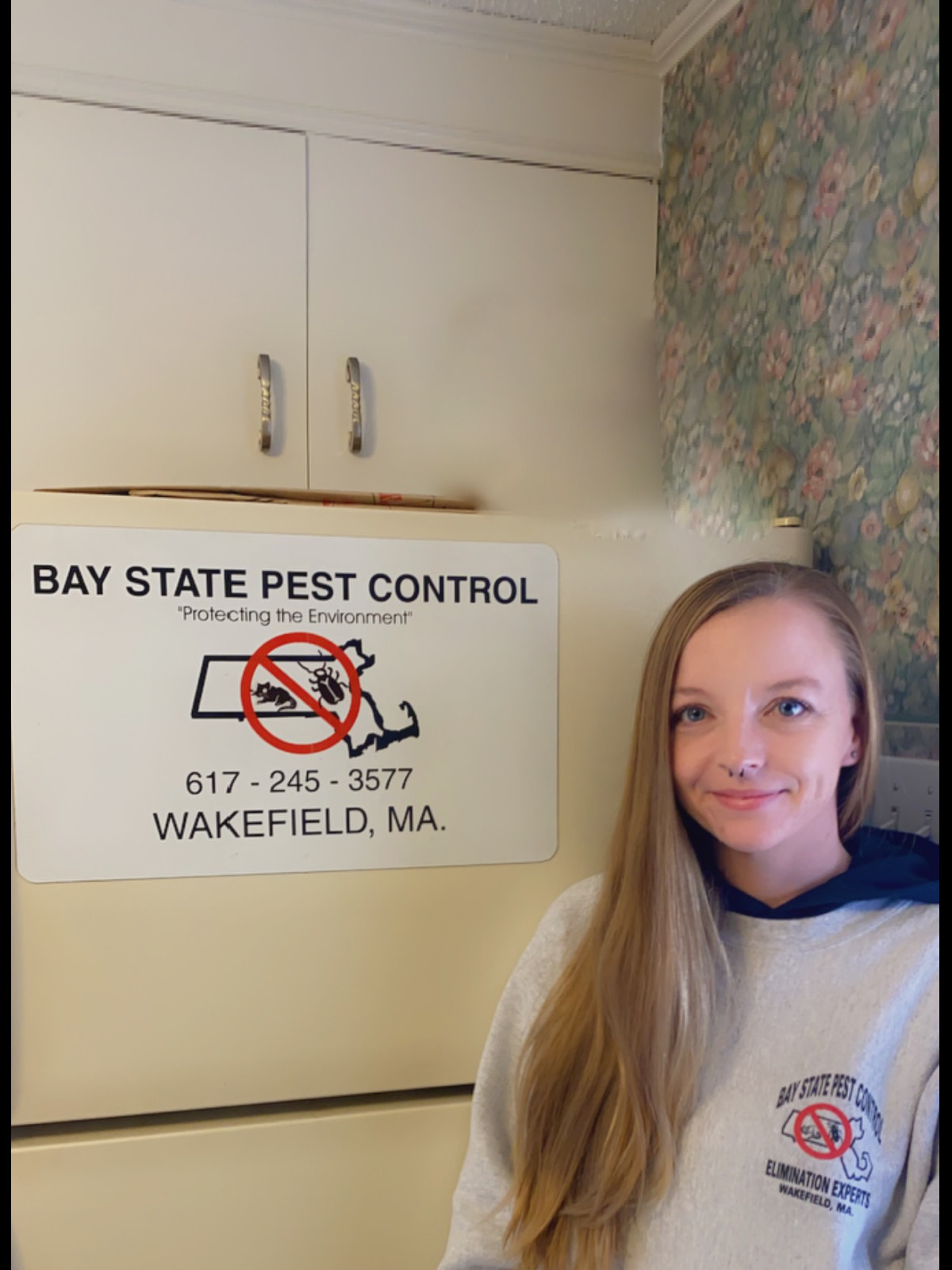
AIMEE WEBBER
Technician
Aimee is a seasoned, do it all technician, specializing in residential, commercial, exclusion work and problem animal control. Her interests are playing darts, gaming, gymnastics, and coaching cheering while raising and spending time with her two beautiful daughters.
MIKAEL RODERICK (Mikey)
Technician
Mikey specializes in residential, commercial, problem animal control, exclusion work and handyman repairs. His interests include skiing, hunting, fishing and spending time with his girlfriend
MICHAEL VIRGIN (Mike)
Technician
Mike is our newest technician. Specializing in residential and commercial operations. He is very upbeat, bringing new light to our organization. His interests range from hunting, fishing, shooting sports and spending time with his fiancé.
KEVIN PROWSE
Senior Technician
Kevin is our senior technician. Specializing in resident work. Kevin maintains all our equipment and products. Kevin also mentors our crew on a day-to-day basis. His interests include landscaping and spending time with his two dogs and wife.
Abigail Plant
Technician
Abigail is a seasoned technician with extensive expertise in residential and commercial pest management, specializing in termite control. Outside of her professional work, she is passionate about entomology and animal biology. Abigail enjoys playing the guitar and spending quality time with her wife.
Termite Control
Termite Control Programs
Termites are considered a serious problem as they can cause millions of dollars in structural damage each year in Massachusetts. An early detection can prevent damage to your home. Bay State Pest Control has been successfully saving home from termite damage for over 20 years. Our comprehensive control program uses leading edge, safe solutions to protect your home. Contact Bay State Pest Control today to schedule a full wood destroying insect inspection by a state licensed technician.
Animal Control
Nuisance Wildlife
Nuisance wildlife on your property can be a serious issue. Many times these unwanted animals can carry dangerous diseases such as rabies and Lyme. They can also carry secondary pests such as ticks, mites and fleas. Contact Bay State Pest Control today and we can assist you with safely removing problem animals from your property. Our Technicians are state certified and carry a Massachusetts trapping license.